Upgrading outdated kitchen equipment can feel daunting, especially on a tight budget. According to Chef Emily Stone, a renowned culinary expert, "Replacing old tools can transform your cooking experience without breaking the bank." Knowing how to upgrade outdated old kitchen equipment with cost-effective replacements is essential for any home cook.
Consider the impact of new appliances like a modern blender or an efficient food processor. These tools not only enhance food preparation but also save time and energy. Investing in simple, budget-friendly items can elevate your kitchen’s functionality. Yet, many hesitate due to perceived costs or uncertainty about what to replace first.
Reflect on the equipment that truly needs an upgrade. Sometimes, a small change can offer surprising benefits. A worn-out cutting board or a rusty knife can hinder your cooking. Identifying these needs is a step toward improvement. By thoughtfully choosing replacements, you can create a kitchen that inspires culinary creativity without overspending.
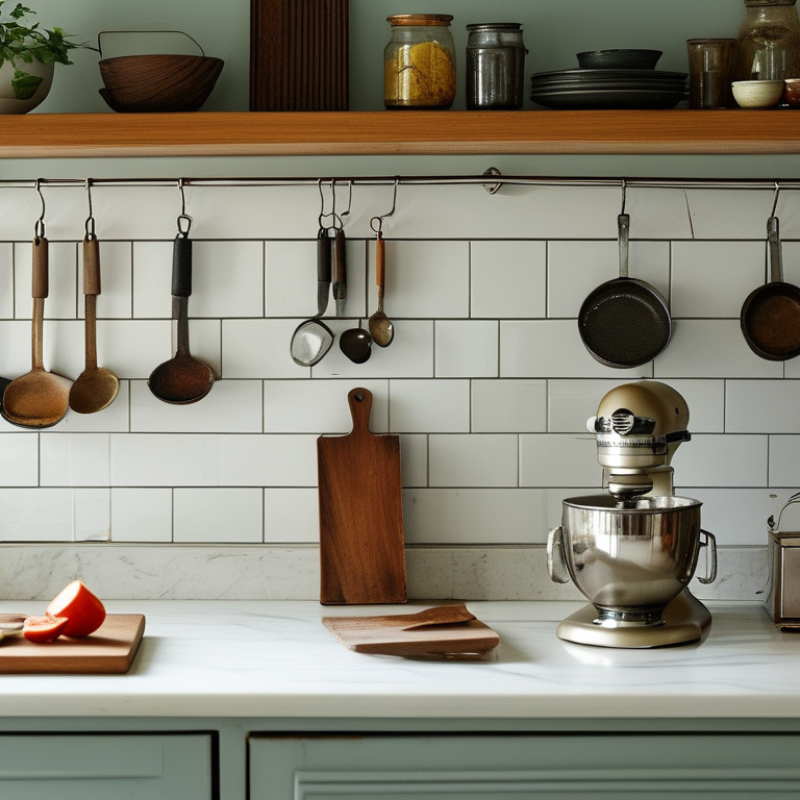
Assessing the condition of your current kitchen equipment is crucial before making upgrades. A report by the Foodservice Equipment Reports revealed that 40% of commercial kitchens operate with outdated equipment. This not only affects efficiency but can also lead to higher energy costs. Understanding when to replace your equipment can save money in the long run.
Inspect each appliance closely. Look for signs of wear and tear like rust or corrosion. If your oven takes longer to preheat, it may be time for a replacement. Regular maintenance can extend the life of your equipment. However, if repairs are becoming frequent, consider upgrading to energy-efficient models. These can potentially reduce energy usage by up to 30%, according to Energy Star.
Tip: Keep a maintenance log for all kitchen equipment. This can help you track performance issues over time and determine patterns that signal replacement needs.
Evaluate your knives and utensils too. Dull knives pose safety risks and hinder efficiency. According to culinary experts, a well-maintained knife can last for years, while a poorly cared-for one may need replacing after just a few months. Opt for items that suit your cooking style, focusing on functionality.
Tip: Invest in a quality knife sharpener. Regularly sharpening your knives promotes safety and improves cooking speed.
When upgrading kitchen equipment, consider budget-friendly options that enhance functionality. Assess your current tools first. Old pots, pans, and utensils may still serve a purpose but could lack efficiency. Research alternatives that promise better performance without breaking the bank.
Look for versatile items. A capable food processor can replace multiple gadgets. It can chop, mix, and puree, saving space and money. Consider materials too. Stainless steel and silicone are durable and often more affordable than specialized items.
Don’t rush into purchases. Sometimes, seeking feedback from cooking enthusiasts can lead to better choices. Online reviews offer insights into product reliability. Embrace the idea of gradual upgrades. You may discover that certain items don’t need immediate replacement. This reflection helps in managing expenses effectively while still modernizing your kitchen.
When considering kitchen upgrades, homeowners often face a tough choice: buy new equipment or repair the old ones. According to a report by the National Kitchen and Bath Association, 75% of homeowners report dissatisfaction with their kitchen’s functionality. This dissatisfaction often leads to impulse purchases that don’t always fit the budget. Statistically, a new kitchen appliance can cost between $300 and $2,000. In contrast, repairs range from $50 to $500. This stark difference challenges the decision-making process.
Repairing kitchen equipment can significantly extend its lifespan. The Appliance Repair Market is expected to grow by 6% annually, indicating a trend towards maintaining existing appliances. For instance, a simple fix like replacing a faulty part can be just as effective as a costly new appliance. However, not all repairs are equal. Some repairs could lead to repeated issues, leading to more frustration.
In many cases, investing in repairs has proven to be more efficient over time. Studies show that nearly 60% of appliances have repairs that cost under half the price of a new unit. Yet, many still opt for new purchases, driven by trends and aesthetics. This mindset overlooks potential savings and sustainable practices. Balancing cost with effectiveness is key; sometimes, the right fix is the best solution, not a shiny new appliance.
| Equipment Type | Repair Cost ($) | Replacement Cost ($) | Savings by Repairing ($) | Age (Years) |
|---|---|---|---|---|
| Refrigerator | 150 | 800 | 650 | 10 |
| Dishwasher | 100 | 600 | 500 | 7 |
| Oven | 120 | 700 | 580 | 8 |
| Microwave | 50 | 300 | 250 | 5 |
| Blender | 30 | 150 | 120 | 4 |
As kitchen equipment ages, it becomes less efficient. Upgrading to eco-friendly alternatives can enhance performance while promoting sustainability. A recent report by the Sustainable Appliances Initiative reveals that using modern, energy-efficient devices can reduce energy use by up to 30%. This not only saves money on utility bills but also lessens environmental impact.
Consider appliances made from sustainable materials, like bamboo or recycled metals. These choices contribute to reducing waste in landfills. However, the initial cost can be higher. Many consumers find it challenging to justify this investment without immediate savings. Yet, studies show that over time, the savings on energy costs offset the up-front expense.
Choosing eco-friendly utensils and cookware is equally important. Opt for biodegradable or reusable items. While they may not perform like traditional products initially, they encourage a mindset of conservation. Moreover, having a variety of sustainable options can feel overwhelming. It's essential to research and reflect on which products align with your sustainable lifestyle goals. Take the time to evaluate your kitchen needs and act accordingly.
Upgrading your kitchen doesn’t always mean spending a fortune. Simple DIY techniques can breathe new life into old equipment. You can start by cleaning and restoring items like your stovetop or oven. A good scrub with natural cleaners can reveal a surface you thought was beyond saving. Try a vinegar and baking soda mix for grease stains. This is both effective and budget-friendly.
Next, look into painting or refinishing surfaces. A fresh coat of paint on cabinet doors can change the entire look of your kitchen. Use chalk paint, which adheres well to different materials. It’s an inexpensive way to modernize your space. If you have wood pieces, sanding and applying a new stain can highlight their natural beauty. Be cautious, though, as an uneven finish might require additional work.
Don’t forget regular maintenance techniques. Tightening screws or replacing worn-out handles can make appliances feel new again. Inspecting seals and hosing can prevent bigger issues later. You might discover that some repairs are easier than you thought. Reflect on what works and what doesn’t. It’s a learning process. Upgrading your kitchen equipment can be fulfilling if approached thoughtfully.
: Look for signs like rust, corrosion, or if your oven takes longer to preheat.
A log helps track performance issues and identify patterns for replacement needs over time.
Dull knives pose safety risks and slow down meal preparation, making efficiency a challenge.
Consider versatile items like a food processor that can replace multiple gadgets and save money.
No, take time to research alternatives and seek feedback to make informed decisions.
Regularly clean surfaces with natural cleaners, or consider painting cabinets for a fresh look.
Selecting durable materials like stainless steel can enhance performance and lifespan of your tools.
Yes, tightening screws or replacing handles can revitalize appliances and extend their usability.
It allows you to manage your budget and discover which items truly need replacement.
Avoid rushing repairs or upgrades without assessing what can be done simply and affordably.
Upgrading outdated kitchen equipment can enhance both functionality and aesthetics without breaking the bank. To begin, it's essential to assess the condition of your current appliances and tools to determine whether they require replacement or repair. Once you've established a list of items that need upgrading, you can explore budget-friendly replacement options that fit your financial plan. Comparing the costs of new purchases against repairing existing items can also be beneficial, helping you make informed decisions that align with your budget.
Additionally, sustainable choices play a pivotal role in this upgrading process—consider eco-friendly kitchen equipment that minimizes environmental impact. For those inclined towards DIY projects, implementing maintenance techniques and simple upgrades can extend the life of your kitchen tools. By following these steps, you can effectively learn how to upgrade outdated old kitchen equipment with cost-effective replacements while promoting sustainability in your culinary space.

Linru Kitchen Equipment