Pioneering Commercial Preservation Technology for Fast-Paced Catering Environments
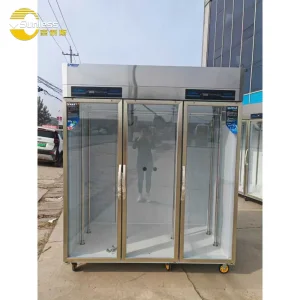
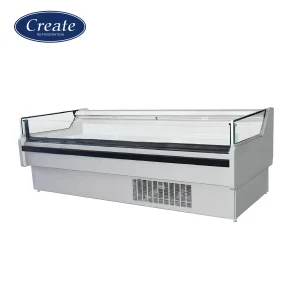
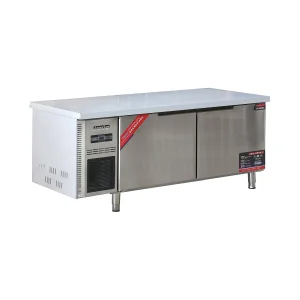
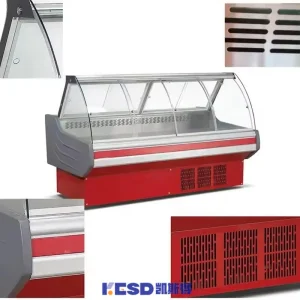
The global commercial food service sector is experiencing a paradigm shift. With rapid urbanization, rigorous regulatory framework updates, and evolving consumer habits demanding fresh, organic, and quickly served options, modern kitchen layouts have transitioned to decentralized designs.
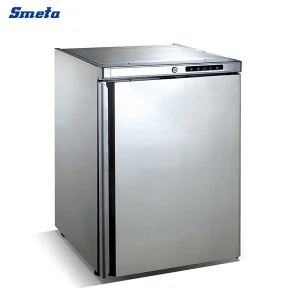
The demand for robust, space-saving, and energy-efficient under counter chiller freezers is growing exponentially. Rather than relying on central walk-in cold rooms, professional operators require decentralized point-of-use cold holding. This minimizes traffic flow back and forth to main storage, ensuring high food hygiene standards and improved cold chain integrity.
Furthermore, global markets are rapidly responding to climate regulations. As carbon targets intensify, the transition from traditional hydrofluorocarbons (HFCs like R404A) to natural, eco-friendly refrigerants (like R290 propane and R600a isobutane) has become standard. Export markets now demand hermetic compressors with advanced thermal expansion systems that reduce the global warming potential (GWP) to virtually zero.
Digital temperature control loops ensuring continuous precision down to ±1°C.
Utilizing high-performance R290 hydrocarbon refrigerants for ultimate efficiency.
Heavy-duty drawer configurations and auto-closing hinges to improve ergonomics.
Smooth surfaces, rounded corners, and food-grade stainless steels to ease cleaning.
Navigating Complex Engineering Metrics and Compliance Frameworks Across Continents
For enterprise procurement managers representing multinational hotel chains, supermarket operations, franchise fast-food brands, and marine vessel galleys, sourcing refrigeration equipment requires evaluating comprehensive engineering properties. Safety, reliability, thermodynamic stability, and ease of maintenance are non-negotiable criteria.
Understanding the distinction between core design architectures is vital. Standard units focus purely on static shelf cooling, whereas premium commercial units feature forced-air ventilation. Fast-recovery systems employ a high-performance evaporator coupled with heavy-duty fans to distribute cooling evenly. This keeps temperatures consistent even when kitchen staff frequently open the doors in ambient temperatures of up to 43°C (Climate Class 5).
| Performance Parameters | Standard Commercial Grade | Heavy-Duty Industrial Grade | Marine & Extreme Environments |
|---|---|---|---|
| Chassis Metallurgy | 201 Food-Grade Stainless Steel | 304 Premium Austenitic Stainless Steel | AISI 316 Marine Grade Stainless Steel |
| Thermal Insulation | 45mm High-Density PU (CFC Free) | 60mm Cyclopentane Injected Polyurethane | 70mm+ VIP (Vacuum Insulated Panels) |
| Defrost Protocol | Manual / Simple Interval Timer | Automatic Hot-Gas / Intelligent Sensors | Electrical Heater Backup with Dry Air Control |
| Refrigerant Standard | R134a / R404a (F-Gas Regulated) | R290 / R600a (Zero ODP, Low GWP) | Specialized Non-Flammable / Hydrocarbon Mixes |
| Climate Classification | Class 3 (25°C ambient, 60% RH) | Class 4 (30°C ambient, 55% RH) | Class 5 (43°C ambient tropical rating) |
Quality safety stamps are the foundation of legal procurement. Products must carry the appropriate compliance marks for their region. For North America, this means NSF/ANSI 7 for sanitation and UL 471 for electrical safety. For Europe, it's CE markings and compliance with Ecodesign Directive 2015/1094. For China and regions recognizing its high standards, products must hold full-range CCC (China Compulsory Certification) and pressure equipment certifications.

Shandong Linru Import & Export Trading Co., Ltd. (also active as Feijin Import & Export) stands as an industry leader in manufacturing high-capacity, dependable commercial kitchen machinery.
Drawing upon 15 years of industry experience, we have evolved from a specialized kitchen stove manufacturing line into a diverse supplier of premium refrigeration systems, stainless steel workbenches, display cases, and pressurized equipment. Rather than taking low-cost, low-quality shortcuts, we are committed to building long-term reliability and value.
Our manufacturing processes leverage advanced sheet metal laser cutting, CNC bending, automatic polyurethane high-pressure injection, and multi-point leak detection. This integration of industrial automation and careful human inspection ensures that every weld, hinge, seal, and compressor assembly meets our strict quality standards.
A Deep Analysis of Thermodynamics, Materials, and Mechanical Design
Thermal leakage is the primary cause of compressor strain and elevated operating costs. Shandong Linru (Feijin) units utilize high-pressure cyclopentane polyurethane foam injected at a density of 40-42 kg/m³. This forms a strong, unified structure that minimizes thermal bridging. As a result, the unit maintains temperature stable for hours, even during power failures.
Operating environments are highly humid and corrosive. While other manufacturers use low-grade stainless iron, Feijin utilizes premium SUS304 or SUS201 stainless steel. This steel features high chromium and nickel content, offering exceptional resistance to organic acids found in meats, dairy, and cleaning chemicals. A polished hairline finish prevents fingerprint marks and makes sanitation simple.
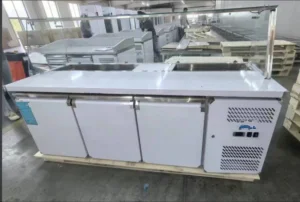
Refrigeration systems require efficient heat dispersal to perform reliably. Our under counter units feature dynamic ventilation loops. Placing the mechanical compartment on the side allows front-breathing airflow. This lets operators install the unit flush against walls, maximizing kitchen real estate. Condensate is evaporated using waste heat from the discharge line, eliminating the need for a floor drain.
Tailoring Cool Temperatures for Diverse Hospitality and Retail Settings
Commercial refrigeration is not a one-size-fits-all product. Different operating environments present unique challenges. Our under counter chillers and freezers are engineered to serve specific vertical industries:
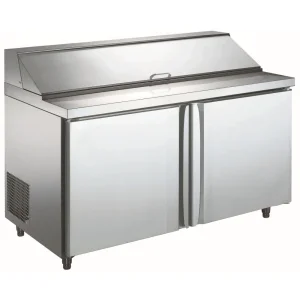
In fast-paced, high-volume kitchens, speed is essential. Our under counter refrigerator workbenches feature quick-cooling systems that recover temperatures rapidly. Magnetic gaskets provide a reliable seal, maintaining performance during high-frequency door cycles. Heavy-duty drawer variants keep pre-portioned ingredients organized and readily accessible to prep staff.
Fine dining kitchens prioritize precise climate control and quiet operation. Our high-performance digital thermostats maintain temperatures within tight margins, preserving delicate proteins, seafood, and sauces without drying them out. Low-vibration compressor mounts ensure quiet performance, helping maintain a calm kitchen environment.
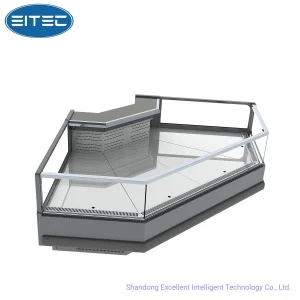
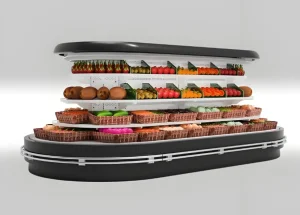
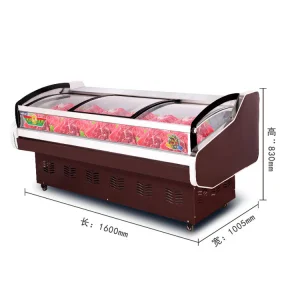
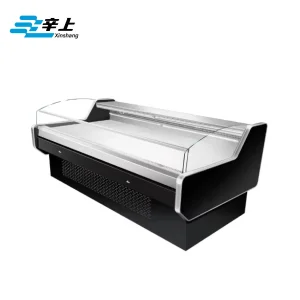
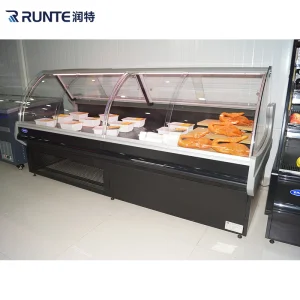
Retail food service demands both attractive product display and reliable storage. Our supermarket horizontal meat display chillers and corner cabinets combine visual appeal with steady cooling. Triple-glazed heated glass keeps displays clear of condensation, while high-efficiency airflow preserves meats, fish, and deli items.
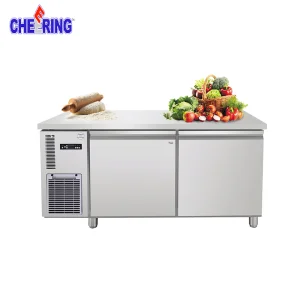
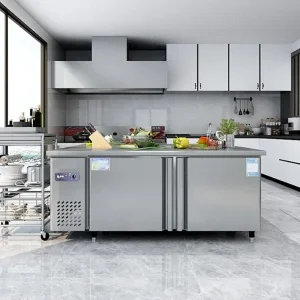
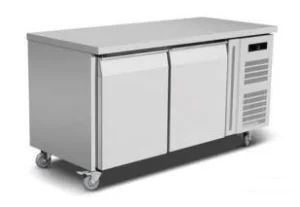
Schools, hospitals, and corporate dining facilities require durable, high-capacity storage. Feijin's double-door worktables combine storage and food prep space in one unit. The robust stainless steel work surfaces support heavy countertop appliances, helping operators optimize their available kitchen footprint.
Delivering Quality, Compliance, and Longevity in Commercial Refrigeration
Feijin Import & Export builds every product to meet rigorous national and international quality standards. In addition to CCC (China Compulsory Certification) for our heating and refrigeration systems, our pressure vessels carry the National Pressure Vessel Manufacturing License. This commitment allows clients to import, install, and operate our equipment with confidence.
We recognize that different commercial spaces have unique layout and utility constraints. Feijin offers flexible customization, tailoring refrigeration power, footprint dimensions, door swing direction, and storage configurations (drawers vs. doors) to fit your specific kitchen layout.
Over our 15-year history, we have refined our engineering and manufacturing processes. We reject low-cost, low-quality shortcuts in favor of long-term equipment stability. Using high-grade steel, reliable components, and thorough quality testing, our units deliver dependable performance year after year.
Technical Answers to Essential Commercial Sourcing and Operation Queries
Explore Our Range of Commercial Refrigerators, Butchery Cases, and Customized Workstations
 Linru Kitchen Equipment