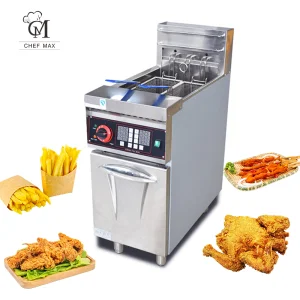
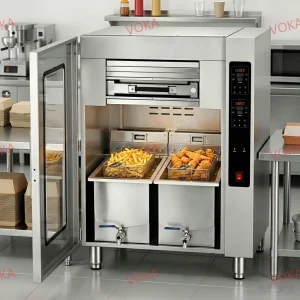
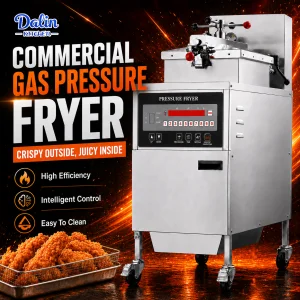
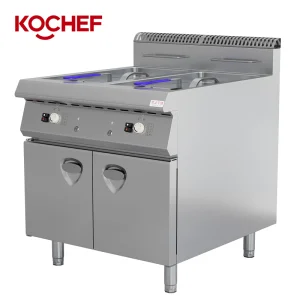
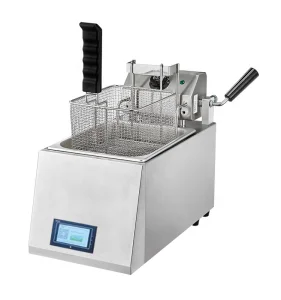
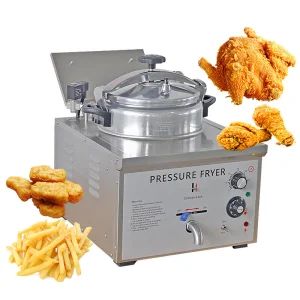
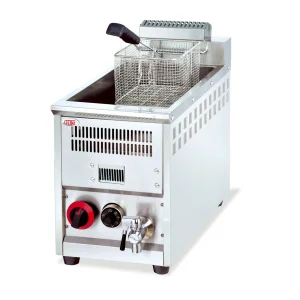
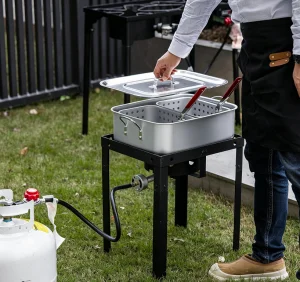
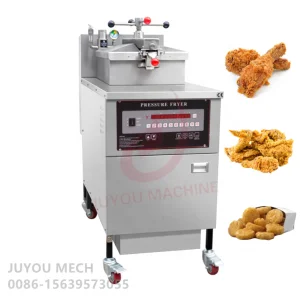
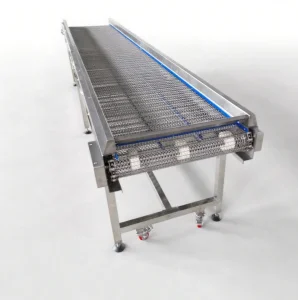
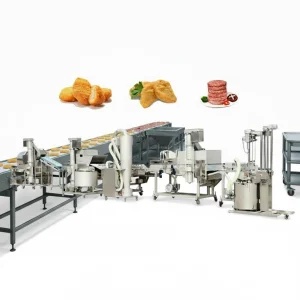
Engineered for high performance, continuous reliability, and strict adherence to international safety standards.
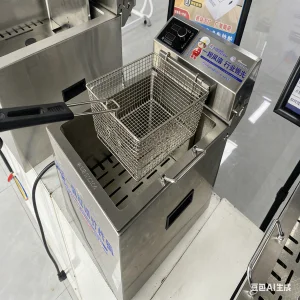
15 Years of Craftsmanship — Rigorous Compliance, Technological Leadership, and Uncompromised Quality
The commercial B2B foodservice sector has transitioned from simple heating structures to smart, thermal-efficient, and safety-centric ecosystems. As a prominent leader in this transition, Shandong Linru Import & Export Trading Co., Ltd. (historically representing Feijin Import & Export) operates as a professional enterprise integrating the production, customization, and export of high-grade commercial kitchen equipment. With over 15 years of industry-honed experience, we have scaled our production capacity from standard gas kitchen stoves to a comprehensive, multi-category portfolio of premium commercial frying and cooling systems.
True industrial authority is built step-by-step. Our core manufacturing philosophy rejects low-cost, short-lived compromises. We firmly believe that consistently maintained material grades, tight tolerances, and certified electrical configurations are the only ways to build true, long-term global trust. Whether supplying a single QSR chain outlet or deploying an automated conveyor frying line, our equipment is built to operate under severe commercial rush-hour conditions without thermal failure or structural deformation.
Commercial deep fryers are high-risk electrical and pressurized units, requiring rigorous adherence to national and international standards. All heating products generated within our factories have obtained full-range CCC (China Compulsory Certification). In addition, our high-productivity jacketed kettles and pressure fryers comply with the demanding National Pressure Vessel Manufacturing License. This means our pressure welds, relief valves, and automatic sealing mechanics are safety-tested at high pressure thresholds, ensuring commercial operators can run high-volume shifts with peace of mind.
The transition toward IoT controls, energy optimization, safety filtration, and footprint consolidation.
With rising utility expenses and carbon regulations, food establishments are demanding fryers with low idle energy consumption. Traditional gas fryers had thermal efficiency rates of only 35-45%. Modern infrared gas burners and smart electric induction elements raise this efficiency to over 75%, reducing energy costs while maintaining rapid heat recovery rates.
Frying oil is one of the highest operational costs in fast-food outlets. Integrated, automatic oil filtration loops extend oil usable life by up to 50%. By systematically extracting carbonized food sediment during idle hours, B2B operators maintain food crispness, prevent flavor transfer, and reduce hazardous manually handled oil changes.
Real estate limitations in commercial zones make traditional exhaust hoods expensive and difficult to install. Ventless fryers equipped with multi-stage HEPA and activated carbon filtration remove grease, smoke, and odors directly at the machine, enabling kiosks, convenience stores, and hotels to operate deep fryers without overhead ventilation systems.
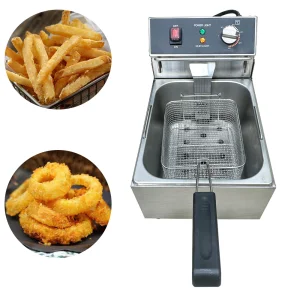
These structural trends define how global buyers source commercial kitchen machines. The modern commercial fryer is no longer a simple vat of boiling oil; it is a thermal-regulated chemical process machine. Feijin's research and development department tracks these metrics closely, engineering high-speed recovery times, low idle temperatures, and customizable control loops that allow operators to program cooking parameters for different types of foods like French fries, crispy chicken, and delicate seafood.
How we address global B2B procurement concerns through engineering precision, compliance, and material superiority.
With 15 years of experience in commercial kitchen equipment manufacturing, Feijin Import & Export is committed to continuous product refinement, rejecting low-cost, low-quality shortcuts to ensure every piece of equipment delivers long-term stability and reliability.
For refrigeration products, Feijin Import & Export combines high standards with customization — guaranteeing full compliance with national quality standards while tailoring technical parameters to match each client's specific application and usage environment.
Feijin's stainless-steel preparation equipment is built using high-grade 304 or 201 stainless steel, with meticulous attention to load-bearing design, craftsmanship, and finishing details, ensuring both durability and aesthetic excellence.
Feijin Import & Export maintains strict quality controls over raw material selection, internal heating mechanics, and chassis design to ensure long-term stability, protecting clients from operational downtime.

Understanding user intent and operational challenges across different food service industries.
Procurement managers in the commercial kitchen equipment space prioritize structural resilience, energy efficiency, and regulatory compliance. When sourcing high-volume fryers, key concerns include:
Frying equipment needs vary based on location and application. Here is how our product range meets specific operational demands:
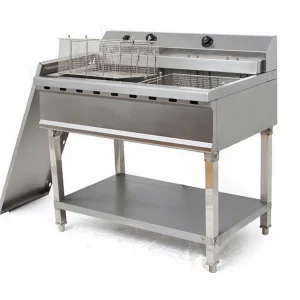
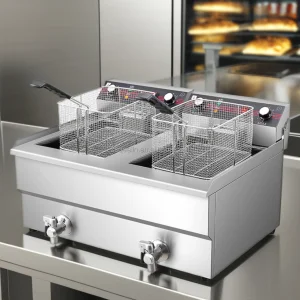
Require double-tank, high-wattage gas or electric fryers (such as our Chefmax 9000W or heavy-duty 50L gas dual-tank models) to support back-to-back cooking cycles, ensuring crispy textures during peak hours.
Benefit from ventless technology with integrated air purification, avoiding costly infrastructure changes and saving space in premium lease locations.
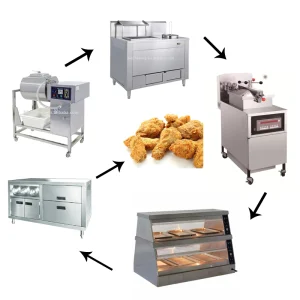
Large-scale snack processors require continuous frying systems, utilizing food-grade stainless-steel chain belts and motorized conveyors to maintain uniform product output.
How modern automation and strategic sourcing protect global distributors from lead-time volatility.
The global commercial kitchen supply chain demands reliability, predictable lead times, and stable pricing. By adopting Factory 4.0 paradigms, our manufacturing centers integrate automated laser cutters, high-precision robotic welding, and automated bending machines. This reduces labor errors in critical components, such as pressurized pots and heat exchangers, ensuring consistent seal strength.
Our manufacturing base in Shandong offers strong logistical advantages. We have direct access to raw Chinese steel mills and specialized heating element suppliers, protecting our clients from sudden material shortages. Additionally, our proximity to Qingdao and Tianjin ports ensures streamlined container loading and lower domestic transit costs, which translates directly to cost savings for our global distributors.
By maintaining raw material reserves and using modular designs, we keep production schedules flexible. If a distributor needs a modification to electric voltage configurations or gas manifold connections, our engineers can adapt the design quickly without interrupting the assembly line, keeping projects on schedule.
Heavy-duty equipment engineered for continuous food processing and high-volume operations.
Essential guidance on selecting, operating, and maintaining B2B commercial deep fryers.
 Linru Kitchen Equipment