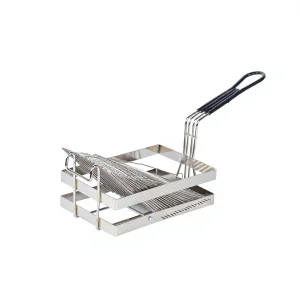
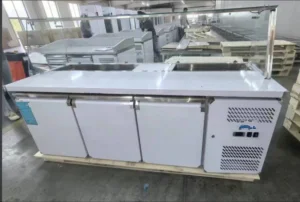
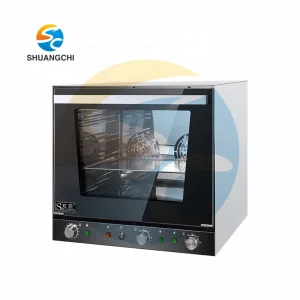
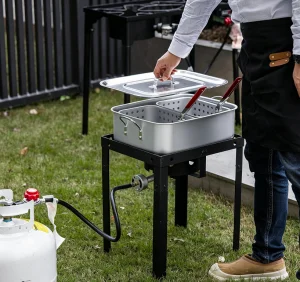
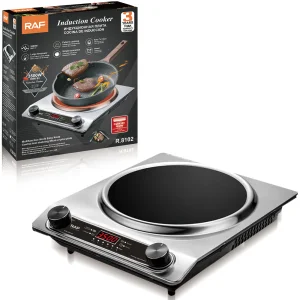
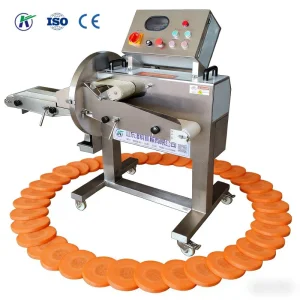
Engineered for high-efficiency commercial kitchens, food processing facilities, and heavy-duty industrial environments.
The hospitality and commercial food service sectors are undergoing a significant paradigm shift. Driven by rigorous global food safety mandates (such as HACCP in the United States and CE/EFSA guidelines in Europe), the demand for precise, energy-efficient, and aesthetically refined buffet warmer solutions has escalated. Beyond basic thermal preservation, modern operators demand systems that prevent food degradation, preserve nutritional integrity, and lower operating energy overheads.
Globally, the market is moving away from traditional combustion-based heating (like gel chafing fuels) toward advanced induction holding systems and electronic dry-heat wells. Key drivers include:
China has established itself as the premier global supply hub for commercial food service equipment, offering unprecedented value through concentrated industrial ecosystems. Shandong, in particular, hosts world-class manufacturing clusters specializing in commercial refrigeration, thermal technology, and precision metal fabrication.
This ecosystem allows suppliers like Shandong Linru Import & Export Trading Co., Ltd. and Feijin Import & Export to deliver exceptional efficiency advantages:
Shandong Linru Import & Export Trading Co., Ltd. is a professional enterprise integrating the production and sales of commercial kitchen equipment. With 15 years of experience in the field, we have grown from a single line of kitchen stoves to a diversified portfolio of high-quality branded products. From the very beginning, we have been committed to improving our product quality step by step, firmly believing that only by ensuring consistent quality can we truly earn our customers' trust and recognition.
In the field of refrigeration equipment, we adhere to strict quality standards and rigorous requirements. Every product is built to meet national quality standards, customized to satisfy client needs, and crafted with attention to detail that reflects our company's commitment to excellence.
Our heating products, including stoves, have obtained full-range CCC (China Compulsory Certification). In addition, our jacketed kettles are certified not only with CCC but also with the National Pressure Vessel Manufacturing License, ensuring customers can purchase with confidence and use with peace of mind.

Commercial buffet warmers must perform reliably across diverse settings, each presenting unique engineering and operational challenges:
Luxury environments demand visual discretion and precise temperature management. Under-counter induction units mounted beneath granite or quartz countertops transfer heat directly to magnetic chafing dishes, maintaining clean counter lines and preventing burn risks for guests.
High-volume operations, such as university dining halls or military canteens, require drop-in dry-heat wells built from heavy-gauge SUS304 stainless steel. These units must withstand constant pan changes, harsh sanitizing chemicals, and long operational cycles without thermal fatigue.
Caterers and fast-casual chains require mobile, modular buffet warmers. These systems must be lightweight, impact-resistant, and compatible with varying voltage configurations to perform reliably at off-site events.
Modern commercial buffet warming equipment incorporates advanced technology to optimize performance and sustainability:
| Technology | Key Operational Advantage | Energy Savings vs. Traditional Chafing | HACCP Compliance Level |
|---|---|---|---|
| PID Precision Microcontrollers | Maintains set target temperature within ±0.5°C, preventing food dehydration. | 15% - 20% | High (Allows real-time logging) |
| Direct Induction Heating | Direct heat transfer to cookware; the cooktop remains cool to the touch. | 50% - 60% | Excellent (Instant temperature response) |
| Dry-Well Air-Curtain Systems | Eliminates water plumbing, lime scaling, and water refills. | 30% - 40% | Optimal (Reduces humidity microbial risks) |
| Eco-Friendly Polyurethane Insulation | High-density structural insulation keeps heat within the well structure. | 25% | Supportive (Stabilizes ambient variations) |
15 years of manufacturing excellence, compliance certification, and engineered reliability.
With 15 years of experience in commercial kitchen equipment manufacturing, Feijin Import & Export is committed to continuous product refinement, rejecting low-cost, low-quality shortcuts to ensure every piece of equipment delivers long-term stability and reliability.
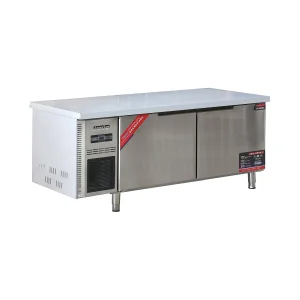
For refrigeration products, Feijin Import & Export combines high standards with customization — guaranteeing full compliance with national quality standards while tailoring technical parameters to match each client’s specific application and usage environment.
Feijin’s stainless-steel preparation equipment is built using high-grade 304 or 201 stainless steel, with meticulous attention to load-bearing design, craftsmanship, and finishing details, ensuring both durability and aesthetic excellence.
With 15 years of experience in commercial kitchen equipment manufacturing, Feijin Import & Export is committed to continuous product refinement, rejecting low-cost, low-quality shortcuts to ensure every piece of equipment delivers long-term stability and reliability.
Heavy-duty food preparation machinery, thermal processing equipment, and custom components.
 Linru Kitchen Equipment